
Uncategorized
Dog Gingivitis: Causes, Symptoms, and Treatment
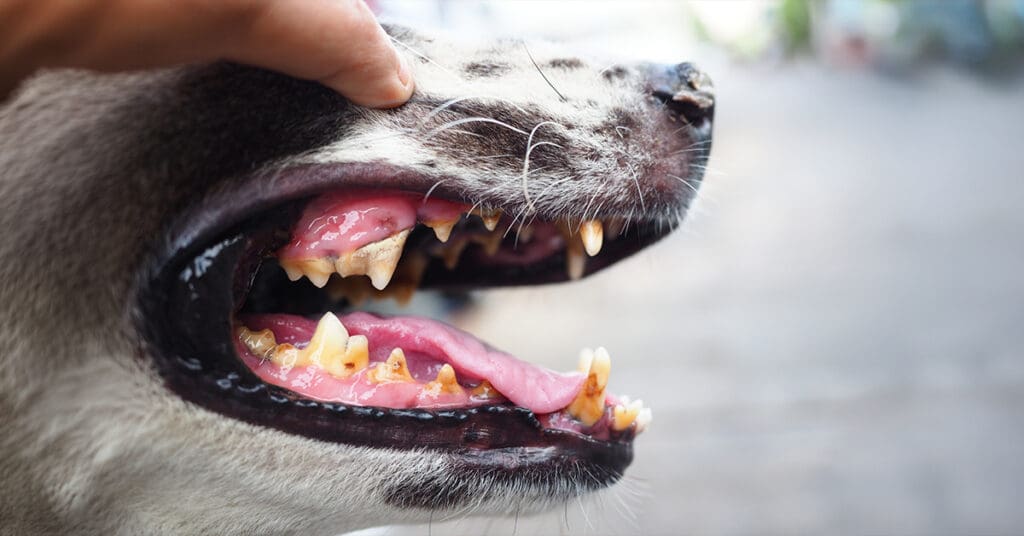
Dog gingivitis is inflammation of the gums caused by plaque and bacteria building up along the gumline, and it’s the earliest stage of periodontal disease. The good news is that dog gingivitis is reversible when caught early and treated with a professional dental cleaning and consistent preventive care. Left alone, however, it can progress to…
Read MoreHow to Help a Cat Lose Weight

The safest way to help a cat lose weight is to start with a veterinary exam, then follow a gradual plan that combines a measured, appropriate diet with daily play and enrichment. Cats need to lose weight slowly, because cutting food too quickly can trigger a dangerous liver condition. If your feline friend has started…
Read MoreWhy Is My Dog Shivering?

Why is my dog shivering? Dogs most often shiver because they’re cold, excited, anxious, or simply getting older, and these everyday causes are usually harmless. Shivering can also point to pain, nausea, poisoning, low blood sugar, or a neurological condition, so the context around the shaking matters a lot. As fall settles over Illinois and…
Read MoreDog Tooth Extraction Recovery: What to Expect

Dog tooth extraction recovery usually takes about 10 to 14 days, with most dogs eating comfortably within a few days and the gums fully healed in roughly two weeks. Simple extractions tend to heal faster, while surgical extractions of large, multi-rooted teeth may need a bit more time. If your veterinarian has recommended removing one…
Read MoreHives on Dogs: Common Causes Explained
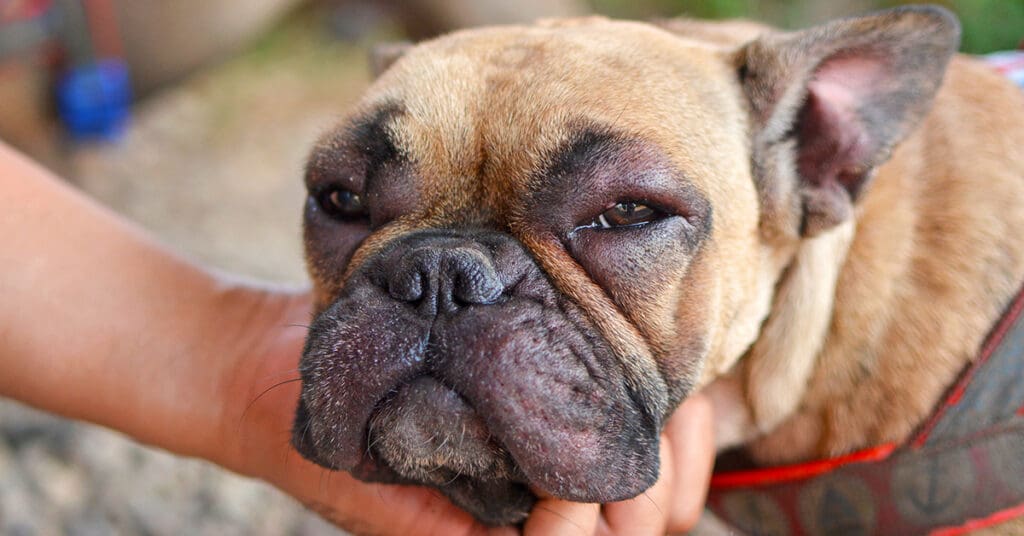
Hives on dogs are raised, itchy bumps or welts that appear suddenly on the skin, usually because of an allergic reaction to an insect sting, a medication, a vaccine, a food, or something your dog touched. Most cases of hives on dogs show up within minutes to a few hours of exposure and fade within…
Read MoreWhy Is My Dog Throwing Up?

Why is my dog throwing up? In most cases, dogs vomit because they ate something they shouldn’t have, switched foods too quickly, or developed mild stomach irritation. Vomiting can also point to infections, intestinal blockages, or chronic illness that needs a veterinarian’s attention. If you’ve found yourself cleaning up the kitchen floor and wondering what…
Read MoreWhy Is My Dog Eating Grass?

Dogs eat grass for a variety of reasons and while it’s a common behavior, our team at Lane Veterinary encourages owners not to dismiss it without a second thought. It can be a response to nutritional deficiencies, gastrointestinal discomfort, or an underlying health issue that deserves a closer look. Rather than assuming it’s just something…
Read MoreCan Dogs Eat Tomatoes?

You’re making dinner and your dog is watching your every move with those hopeful eyes, and there’s a tomato right there. Can dogs eat tomatoes? The answer is yes, with a few reasonable caveats. Ripe tomatoes are generally safe for dogs in small to moderate amounts, and the risk of serious harm is quite low…
Read MoreWhy Is My Dog Licking His Paws?

You’ve noticed your dog licking his paws again. Maybe it’s a quick grooming session, or maybe it’s been going on for hours and you’re starting to wonder if something is wrong. Dogs lick their paws for many reasons and while occasional licking is completely normal, persistent or excessive paw licking is almost always a sign…
Read MoreCan You Put Neosporin On A Dog?

When your dog gets a cut or scrape, your first instinct might be to reach for the Neosporin in your medicine cabinet, but should you? For minor, superficial wounds, our team at Lane Veterinary may give the green light to use Neosporin on your dog, but only under the right circumstances and with important precautions…
Read More