Dog Gingivitis: Causes, Symptoms, and Treatment
Dog gingivitis is inflammation of the gums caused by plaque and bacteria building up along the gumline, and it’s the earliest stage of periodontal disease. The good news is that dog gingivitis is reversible when caught early and treated with a professional dental cleaning and consistent preventive care. Left alone, however, it can progress to irreversible damage that affects the teeth, jawbone, and even organs like the heart and kidneys. Many owners first notice a problem when their dog’s breath turns unpleasant or the gums look red during a playful yawn. Because dental disease develops gradually, it’s easy to miss until it’s well underway. At Lane Veterinary in Hinsdale and Elmhurst, IL, oral health is a regular part of our wellness conversations, since healthy gums play a big role in a dog’s overall comfort. Below, we cover what gingivitis is, what causes it, the symptoms to look for, and how veterinarians treat and help prevent it.
What Is Gingivitis in Dogs?
Gingivitis in dogs refers specifically to inflammation of the gingiva, the soft pink tissue that surrounds and protects the base of each tooth. It’s the first warning sign that bacteria are winning the battle in your dog’s mouth.
How Gingivitis Develops
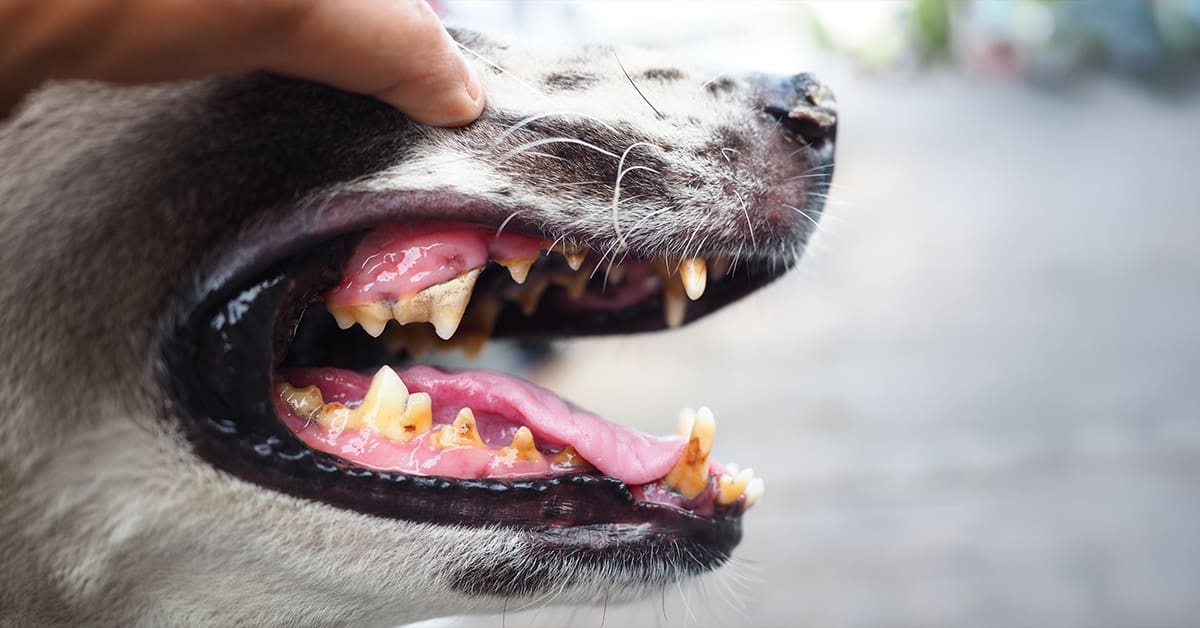
Within hours after a meal, a sticky film called plaque begins forming on your dog’s teeth. Plaque is packed with bacteria. If it isn’t removed, minerals in saliva harden it into tartar (also called calculus) within a few days. Tartar creates a rough surface where even more bacteria can cling, and the bacteria irritate the gums. Your dog’s immune system responds with inflammation, and that inflammation is what veterinarians diagnose as dog gingivitis.
Gingivitis vs. Periodontal Disease
These terms are related but not identical. Gingivitis affects only the gums and doesn’t yet involve the deeper structures that anchor teeth. Periodontal disease occurs when the infection spreads below the gumline, damaging the ligaments and bone that hold teeth in place. At that point, the damage can’t be fully undone, and teeth may loosen or need extraction. Catching dog gingivitis before it crosses this line is the best opportunity to protect your pet’s smile for the long term.
How Common Is It?
Dental disease is one of the most frequently diagnosed health problems in dogs. Veterinary studies estimate that most dogs show some signs of it by around age three. Small and toy breeds, such as Yorkshire Terriers, Dachshunds, Chihuahuas, and Toy Poodles, tend to be especially prone because their teeth are crowded into small mouths. Larger dogs aren’t immune, though. Any dog without regular dental care can develop inflamed gums, which is why oral exams belong in every wellness visit regardless of size or breed.
What Causes Dog Gingivitis?
Plaque buildup is the root cause of nearly every case, but several factors can speed up the process or make some dogs more vulnerable than others.
Risk Factors to Know
Dogs may be more likely to develop gum inflammation when the following factors are present:
- No regular dental care routine at home or professional cleanings
- Crowded, misaligned, or retained baby teeth that trap food and bacteria
- Breed tendencies, especially in small dogs and flat-faced breeds
- Advancing age, as plaque and tartar accumulate over the years
- Underlying health issues such as diabetes or immune system disorders
- Diets that leave more residue on the teeth
Why Some Dogs Develop It Faster
Genetics plays a surprisingly large role. Two dogs on the same diet and routine can have very different dental health simply because of their breed, jaw structure, and natural bacterial balance. Mouth breathing, chewing habits, and saliva composition also influence how quickly plaque turns into tartar. This is why your veterinarian may recommend more frequent dental exams for some dogs than others, even within the same household.
Chewing on inappropriate objects can contribute as well. Sticks, rocks, and very hard items can injure gums or fracture teeth, creating openings for bacteria and inflammation.
Signs and Symptoms of Dog Gingivitis
The early stage of gum disease can be subtle, so a quick look inside your dog’s mouth every so often helps you notice changes before they become serious.
What to Look For
Common signs that point toward dog gingivitis include:
- A thin red or purple line along the gumline where it meets the teeth
- Swollen, puffy gum tissue
- Bad breath that doesn’t go away
- Gums that bleed easily, sometimes leaving pink spots on chew toys or water bowls
- Yellow or brown tartar on the teeth, especially the back molars and upper canines
Signs the Disease May Be Progressing
As inflammation worsens, you may notice behavioral clues that your dog is uncomfortable. Dogs with advanced dental problems may chew on one side, drop food, eat more slowly, paw at their mouth, or lose interest in hard treats and toys. Receding gums, loose teeth, facial swelling, or excessive drooling suggest the problem has moved beyond simple gingivitis and needs prompt veterinary attention.
Why Dogs Rarely Complain
Dogs are remarkably good at masking oral pain. Most continue eating even when their gums are sore, so a hearty appetite doesn’t mean your dog’s mouth is healthy. Routine dental checks during wellness visits often catch dog gingivitis that owners never suspected was there. Many families are surprised by how much more playful and energetic their dog becomes after a dental cleaning, a sign that the discomfort had been quietly affecting daily life for some time.
How Veterinarians Treat and Prevent Dog Gingivitis
Treating gum inflammation focuses on removing the plaque and tartar driving it, then building a prevention plan that keeps it from coming back. Only a veterinarian can safely clean below the gumline, where the most important work happens.
Professional Dental Cleaning
A comprehensive dental cleaning, sometimes called a COHAT (comprehensive oral health assessment and treatment), is performed under general anesthesia. Anesthesia allows your veterinary team to clean thoroughly beneath the gums, examine every tooth, and take dental X-rays without causing stress or pain. The process usually includes scaling to remove plaque and tartar above and below the gumline, polishing to smooth the tooth surface, and charting to record any problems. Your veterinarian will run pre-anesthetic bloodwork beforehand to make sure your dog is a good candidate.
Anesthesia-free cleanings may sound appealing, but they only scrape the visible surfaces of the teeth. They can’t address bacteria below the gumline, where dog gingivitis does its real damage, and they don’t allow for X-rays.
Ongoing Prevention
After a cleaning, your veterinarian will recommend a home care plan tailored to your dog. Daily tooth brushing with a pet-safe toothpaste is considered the gold standard, and your vet team can show you techniques that make it easier. They may also suggest dental diets, water additives, or chews accepted by the Veterinary Oral Health Council (VOHC). Never use human toothpaste, since some ingredients, including xylitol, are toxic to dogs. Scheduling dental exams at least once a year helps your vet catch any return of inflammation early.
Protecting Your Dog’s Smile
Dog gingivitis is common, but it doesn’t have to lead to tooth loss or chronic pain. With routine veterinary exams, professional cleanings, and a home care routine your vet recommends, you can stop gum inflammation in its early, reversible stage and help your dog enjoy a healthier mouth for years. Paying attention to bad breath, red gums, and changes in chewing gives you a head start on care.
If you’ve noticed signs of dog gingivitis or it’s been a while since your pet’s last dental exam, Lane Veterinary is here for families in Hinsdale and Elmhurst, IL and nearby neighborhoods. Our team offers thorough oral exams, digital dental X-rays, and anesthetic dental cleanings performed with careful monitoring. Call Lane Veterinary at (630) 320-6644 (Hinsdale) and (630) 478-0222 (Elmhurst) or book an appointment online to book your dog’s dental evaluation and take the next step toward fresher breath and healthier gums.
Recent Posts
About Us
Choosing a vet means entrusting your pet’s care and well-being to capable hands. Lane Veterinary strives to be a lifetime vet for you and your family, being the people you can always lean on for support and guidance. As a privately owned practice, we stand to give people and their pets the one-on-one care and attention they deserve in a calm and comfortable setting.