
How to Help a Cat Lose Weight
The safest way to help a cat lose weight is to start with a veterinary exam, then follow a gradual plan that combines a measured, appropriate diet with daily play and enrichment. Cats need to lose weight slowly, because cutting food too quickly can trigger a dangerous liver condition. If your feline friend has started to look a little round in the middle, you’re far from alone. Veterinary surveys suggest that more than half of pet cats in the United States carry extra pounds, and many owners don’t realize it until a vet points it out. Learning how to help a cat lose weight can add healthy years to your cat’s life and make everyday activities like jumping, grooming, and playing more comfortable. At Lane Veterinary in Hinsdale and Elmhurst, IL, we partner with cat owners every day to build realistic weight plans. This guide explains why extra weight matters, how a vet-guided plan works, natural ways to get your cat moving, and the mistakes worth avoiding.
Why Does Your Cat’s Weight Matter?
A few extra pounds may not seem like a big deal, but for a cat, even one or two pounds can represent a significant percentage of their body weight. That extra load affects nearly every system in the body, which is why knowing how to help a cat lose weight is such a valuable skill for any cat owner.
Health Risks Linked to Excess Weight
Overweight and obese cats face a higher likelihood of developing several serious health conditions, including:
- Diabetes mellitus, one of the most common weight-related diseases in cats
- Arthritis and joint pain that make jumping and climbing harder
- Urinary tract problems and bladder inflammation
- Skin issues and a matted, greasy coat from difficulty grooming
- Higher risks during anesthesia and surgery
- A shorter overall lifespan
How to Tell If Your Cat Is Overweight
The number on the scale tells only part of the story. Veterinarians use a body condition score to evaluate whether a cat is at an ideal weight. In a healthy cat, you should be able to feel the ribs easily under a thin layer of fat, see a visible waist when looking from above, and notice only a small belly pouch. If you can’t feel the ribs, your cat lacks a waistline, or their belly sways noticeably when they walk, it’s time to talk with your veterinarian about how to help a cat lose weight safely.
Indoor lifestyles, free-choice feeding, spaying or neutering, and generous treats all contribute to weight gain. Understanding your own cat’s risk factors gives you a starting point for meaningful change.
How to Get My Cat to Lose Weight With a Veterinary Plan
The most successful weight loss journeys begin in the exam room. Your veterinarian can confirm that your cat is overweight, rule out medical problems, and set a safe target.
Ruling Out Medical Causes
Sometimes weight gain stems from more than diet. Arthritis, for example, can make movement painful and quietly reduce activity, while existing conditions such as diabetes can change how a weight plan needs to be designed. Your vet may recommend bloodwork before starting a plan, especially for senior cats. This step makes sure your cat is healthy enough to begin and helps your veterinarian choose the right approach. It also gives you a baseline, so you and your vet can measure progress with real numbers rather than guesswork.
Setting a Safe Goal
When owners ask us how to help a cat lose weight, the most important message we share is to go slowly. Cats that lose weight too fast or stop eating can develop hepatic lipidosis, also called fatty liver disease, which can become life-threatening. Your veterinarian will calculate how much your cat should eat each day and set a gradual weekly or monthly goal based on your cat’s current weight, age, and health.
Choosing the Right Food
Your vet may recommend a prescription or veterinary weight-management diet. These foods are typically higher in protein and fiber to help cats feel full while preserving lean muscle. Some cats do well transitioning to more wet food, which tends to have fewer calories per bite and more moisture. Follow your veterinarian’s guidance on what to feed and how to transition, because sudden diet changes can cause stomach upset or lead some cats to refuse food altogether.
How to Help Your Cat Lose Weight Naturally
Many owners searching for how to help a cat lose weight focus only on the food bowl, but diet is only half the equation. Lifestyle changes that encourage movement and curb boredom eating can make a big difference, and many of them are fun for both you and your cat.
Make Playtime a Daily Habit
Cats are natural hunters built for short bursts of activity. A few play sessions each day can boost calorie burn and strengthen your bond. Try these ideas to get your cat moving:
- Wand toys with feathers or ribbons that mimic birds and mice
- Crinkle balls or small toys tossed down a hallway
- Cat trees, shelves, and perches that encourage climbing
- Cardboard boxes and tunnels for exploration
- Rotating toys weekly so they stay new and exciting
End each session with a “catch” so your cat feels satisfied, rather than frustrated.
Turn Mealtime Into an Activity
Food puzzles and treat-dispensing balls slow down fast eaters and make cats work for their food, just as they would in the wild. You can also split your cat’s daily portion into several smaller meals or place food bowls in different rooms or on raised surfaces so your cat has to move to eat. These strategies are a simple, natural part of learning how to help a cat lose weight without making your cat feel deprived.
Rethink Treats and Attention
Treats are often the hidden obstacle when families learn how to help a cat lose weight. Many cats beg out of boredom or a desire for attention rather than hunger. Offering playtime, brushing, or affection instead of a snack fills that need without the extra calories. If you do give treats, ask your veterinarian how they fit into your cat’s daily allowance.
Common Weight Loss Mistakes and How to Track Progress
Even owners who understand how to help a cat lose weight can slip into habits that slow results. Good intentions sometimes lead in the wrong direction. Knowing the most common missteps can help your cat’s plan stay on course.
Pitfalls to Avoid
Watch out for these habits that can stall progress or put your cat at risk:
- Drastically cutting food or skipping meals to speed things up
- Free-feeding by leaving the bowl full all day
- Eyeballing portions instead of measuring them
- Letting multiple family members give treats without coordinating
- Allowing an overweight cat to eat from other pets’ bowls
Monitoring Results Over Time
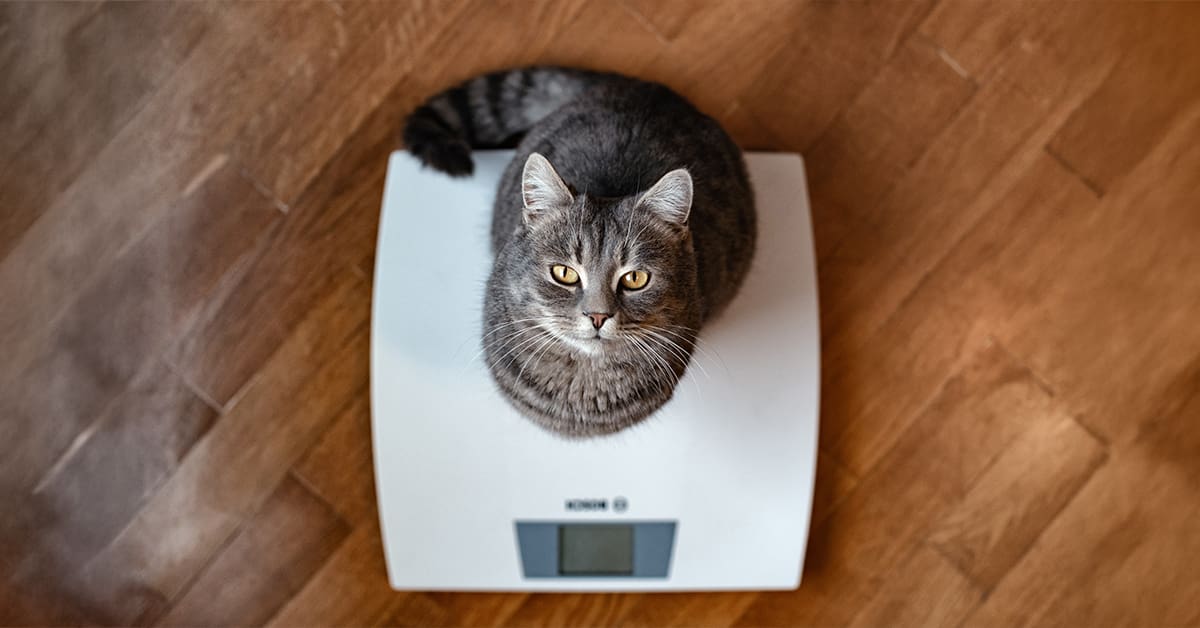
Regular weigh-ins at your veterinary clinic let your vet confirm that your cat is losing weight at a safe rate and adjust the plan as needed. Many practices offer quick weight checks between full exams. You can also get a baby scale to keep at home, or weigh yourself while holding your cat and subtract the difference. This option is more comfortable for cats who are stressed by visiting the vet.
Keeping a simple log of your cat’s weight, activity, and appetite at home also helps you spot trends. Taking a monthly photo from above can show changes in your cat’s waistline that are hard to notice day to day. If your cat suddenly stops eating, hides more than usual, or seems lethargic, contact your veterinarian right away, since these changes need prompt attention during a weight loss program.
Patience pays off, and it’s the part of how to help a cat lose weight that owners most often underestimate. Healthy weight loss in cats often takes several months to a year, but steady progress is far safer than rapid results.
Partnering on Your Cat’s Healthy Weight
Figuring out how to help a cat lose weight doesn’t have to feel overwhelming. With a veterinary exam, a tailored nutrition plan, daily play, and patience, most cats slim down gradually and regain the energy and comfort that extra pounds took away. The key is working with your veterinarian rather than guessing, so your cat loses weight safely without risking their liver or overall health.
If you’re ready to learn how to help a cat lose weight with professional support, Lane Veterinary serves cat owners throughout Hinsdale and Elmhurst, IL and surrounding communities. Our team can assess your cat’s body condition, recommend the right diet, and schedule regular check-ins to celebrate each milestone. Contact Lane Veterinary today at (630) 320-6644 (Hinsdale) and (630) 478-0222 (Elmhurst) or book an appointment online to set up a weight consultation and give your cat a lighter, healthier future.
Recent Posts
About Us
Choosing a vet means entrusting your pet’s care and well-being to capable hands. Lane Veterinary strives to be a lifetime vet for you and your family, being the people you can always lean on for support and guidance. As a privately owned practice, we stand to give people and their pets the one-on-one care and attention they deserve in a calm and comfortable setting.