Why Is My Dog’s Nose Dripping?
As a pet owner, you may wonder, “Why is my dog’s nose dripping?” In many cases, a runny nose in dogs reflects normal moisture, mild irritation, or temporary exposure to allergens. Other times, it signals an underlying issue that deserves closer attention. Picture your dog greeting you at the door with an enthusiastic tail wag and a shiny, damp nose. That little drip can feel harmless at first, yet it often leaves pet owners wondering what it means. Understanding the difference between normal nasal moisture and abnormal discharge helps you respond with confidence and care.
A healthy dog nose often feels cool and slightly wet. Moisture supports scent detection and helps regulate nasal tissues. When the discharge becomes thick, colored, frequent, or accompanied by other symptoms, it may point to allergies, infections, dental concerns, or environmental irritants. This guide explains common reasons behind a dripping nose, how to observe changes, and when to involve your veterinary team.
What Does a Normal Dog Nose Look Like?
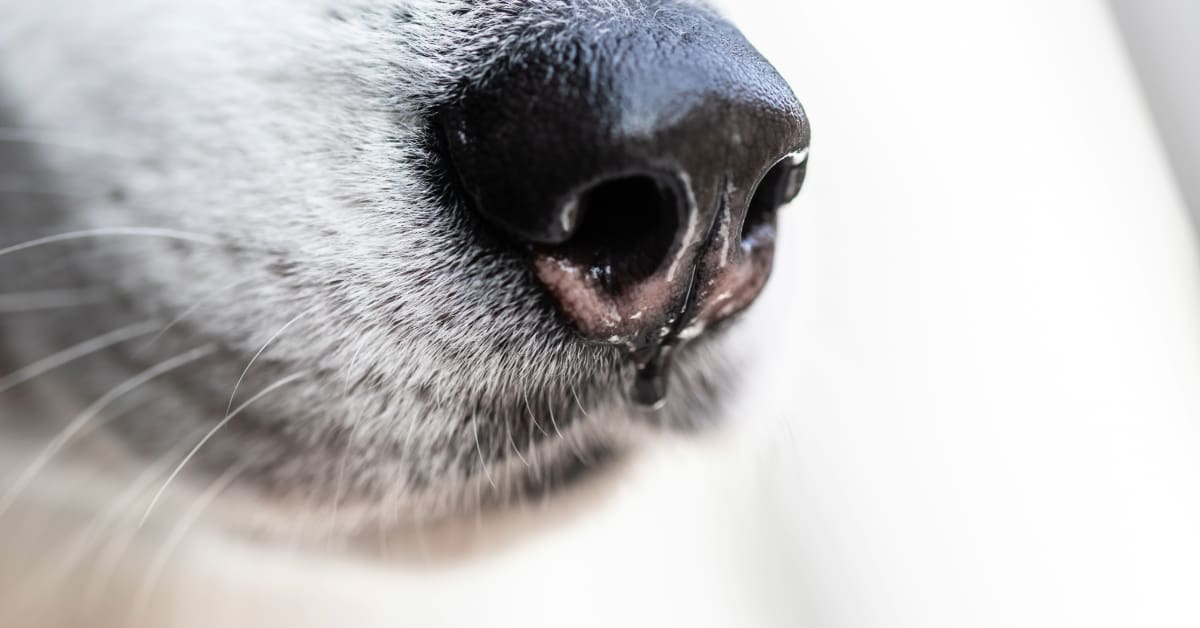
A normal dog nose usually appears moist, clean, and free from odor. Clear discharge often comes and goes throughout the day, especially after drinking water, sniffing outdoors, or resting. Temperature, humidity, and activity level can influence how wet the nose feels. Dogs also lick their noses regularly, which adds to surface moisture.
Changes in appearance deserve attention. Crusting, cracking, or persistent dryness may suggest dehydration or irritation. Thick mucus, swelling, or discoloration may indicate inflammation. A dog’s nose works as a sensitive gateway to breathing, smelling, and environmental awareness, so even small changes can feel significant.
Dogs also vary by breed. Short-nosed breeds may show different airflow patterns, while dogs with long nasal passages often produce more visible moisture. Age plays a role too, since puppies and senior dogs can experience more frequent nasal changes. Observing patterns over time helps you understand what is typical for your dog.
Common Reasons Your Dog’s Nose May Be Dripping
A dripping nose can stem from many everyday causes. Some resolve quickly, while others deserve veterinary evaluation. The key lies in observing the discharge and any accompanying signs. Reasons for why your dog’s nose is dripping can include:
- Seasonal allergies or environmental irritants such as pollen, dust, or cleaning products
- Upper respiratory infections that create inflammation in nasal passages
- Foreign material like grass seeds or dust lodged in the nose
- Dental disease affecting nearby sinus structures
- Temperature changes that trigger natural nasal moisture
Clear discharge often suggests mild irritation or allergies. Cloudy, yellow, green, or bloody discharge raises more concern. Consistency matters too. Watery fluid usually signals minor irritation, while thick mucus often reflects infection or inflammation.
Behavior also provides clues. Sneezing, pawing at the face, reduced appetite, or lethargy may accompany nasal issues. When discharge appears suddenly and persists beyond a day or two, contact your veterinary team for guidance.
How Allergies Affect Nasal Discharge
Allergies remain one of the most common answers to “why is my dog’s nose dripping.” Dogs react to pollen, mold, dust mites, and even certain foods. The immune system releases inflammatory chemicals that increase mucus production. This response helps trap irritants but also causes visible nasal dripping.
Dogs with allergies often show other signs. Red eyes, itchy skin, ear inflammation, or frequent licking of paws often appear alongside nasal symptoms. Seasonal patterns provide helpful clues. If discharge worsens during spring or fall, allergies move higher on the list of possibilities.
Indoor allergens can also be the culprit. Carpets, air filters, and scented products can contribute to irritation. Keeping living spaces clean, well ventilated, and low in fragrance supports nasal comfort. While home management helps reduce exposure, persistent symptoms deserve veterinary input to guide long-term care.
Infections and Nasal Health
Bacterial, viral, and fungal infections can all affect the nasal passages. These infections often create thicker discharge and may produce unpleasant odors. Dogs with nasal infections sometimes experience congestion, sneezing, and visible discomfort.
Infections may develop after a cold, exposure to other animals, or immune stress. Some fungal infections affect specific regions and require targeted treatment. Because infections vary widely, professional diagnosis becomes essential when discharge changes color, smell, or consistency.
Dental disease also connects closely to nasal health. Roots of upper teeth sit near the sinuses. When dental infections develop, they can drain into nasal passages and cause chronic discharge. This link explains why dental care supports respiratory comfort as well.
Foreign Objects and Nasal Irritation
Dogs explore the world nose first. Grass awns, dirt, seeds, or small debris can lodge inside nasal passages. This irritation often causes sudden sneezing, head shaking, or one-sided discharge. Dogs may paw at their faces in response.
Foreign material sometimes works its way out naturally. In other cases, it remains trapped and leads to swelling or infection. Persistent one-sided discharge often points toward this cause. Veterinary evaluation allows safe removal without risking injury to delicate tissues.
Environmental Triggers at Home
Heating systems, air conditioners, and seasonal humidity changes influence nasal tissues. Dry air can irritate passages, while excessive moisture encourages bacterial growth. Balanced indoor environments support respiratory comfort year round.
When to Watch and When to Call the Vet
Understanding when a dripping nose deserves attention brings peace of mind. Mild, short-term moisture often resolves without intervention. Certain signs suggest it is time to call your veterinary team and include:
- Discharge that lasts more than two days
- Yellow, green, bloody, or foul-smelling fluid
- Facial swelling or visible discomfort
- Lethargy, coughing, or appetite changes
- Repeated sneezing or nose pawing
Lane Veterinary encourages pet owners to trust their instincts. If something feels off, a quick call helps clarify next steps. Early evaluation often leads to simpler solutions and greater comfort for your dog.
Simple At-Home Comfort Measures
While professional care guides treatment, gentle home steps can support comfort when symptoms remain mild. These steps do not replace veterinary advice, yet they help reduce irritation and keep your dog comfortable. You can try to:
- Maintain clean living spaces with good airflow
- Wipe away discharge gently with a soft, damp cloth
- Limit exposure to smoke, strong scents, and dust
- Encourage hydration to keep nasal tissues moist
Warm, humid air from a bathroom after a shower can sometimes ease nasal irritation. Calm rest also supports recovery. If symptoms persist or worsen, veterinary guidance ensures safety and proper care.
Supporting Long-Term Nasal Health
Routine wellness visits support early detection of nasal and dental issues. Regular dental cleanings, parasite prevention, and wellness exams help reduce inflammation triggers. Nutrition and hydration also influence immune health and tissue resilience.
Observing your dog daily builds familiarity with what is normal. That awareness helps you notice subtle changes early. A calm, proactive approach supports better outcomes and stronger partnerships with your veterinary team.
Breathe Easy with Veterinary Care
A dripping nose may seem simple, yet it carries valuable information about your dog’s health. Whether the cause involves allergies, infection, irritation, or environment, understanding the possibilities helps you respond with confidence. If you find yourself asking, “why is my dog’s nose dripping,” you are already taking an important step toward attentive care.
If your dog’s nasal discharge concerns you, contact Lane Veterinary at (630) 320-6644 or book an appointment online. Our team stands ready to help your dog breathe easier, feel better, and stay comfortable every day.
Recent Posts
About Us
Choosing a vet means entrusting your pet’s care and well-being to capable hands. Lane Veterinary strives to be a lifetime vet for you and your family, being the people you can always lean on for support and guidance. As a privately owned practice, we stand to give people and their pets the one-on-one care and attention they deserve in a calm and comfortable setting.