
Cat Coughing: Causes and Treatment
Cat coughing often catches us off guard. One moment our cat naps in a sunbeam, and the next, a dry, hacking sound fills the room. We may wonder whether it is a hairball, a cold, or something more serious. Cat coughing describes a reflex that helps clear the airway, but it can also point to irritation, inflammation, or disease. By understanding why cat coughing happens and how it is commonly addressed, we feel more confident recognizing when our cat simply needs comfort and when professional care is required.
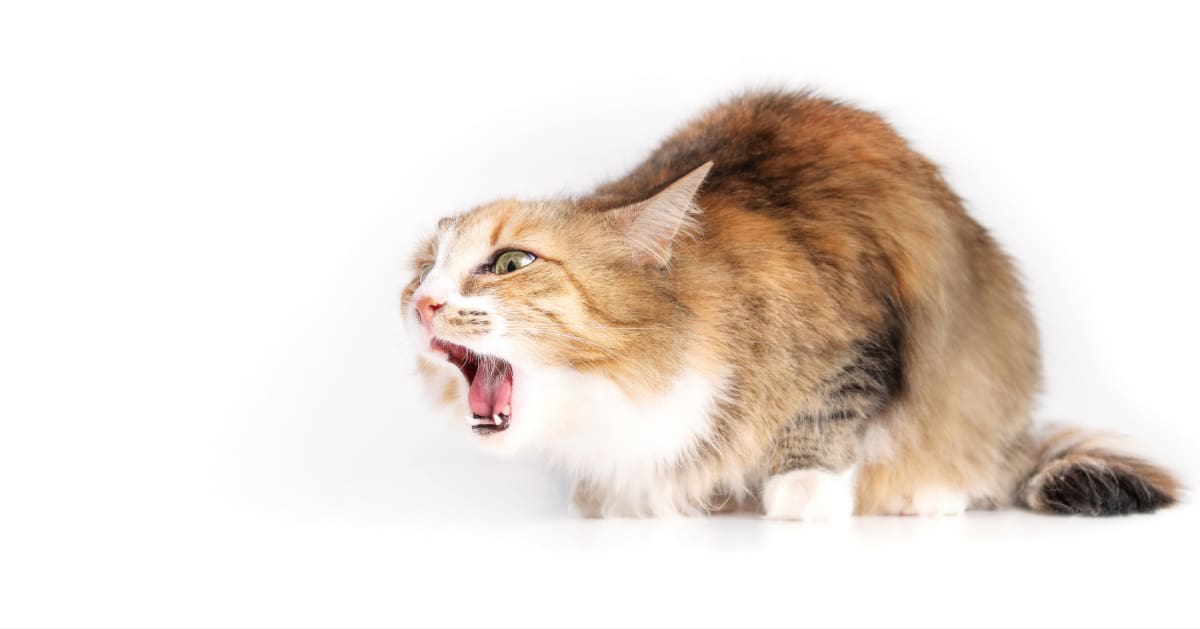
Why Does My Cat Keep Coughing?
When we ask, “why does my cat keep coughing,” we usually look for a single cause. In reality, cat coughing often results from several overlapping factors. The airway contains sensitive tissue that reacts quickly to irritation, infection, or obstruction. Even mild inflammation can trigger repeated coughing episodes.
Common causes of feline coughing include environmental irritants, infections, allergic responses, and structural airway changes. Indoor air quality plays a major role, especially in homes with dust, scented candles, cleaning sprays, or cigarette smoke. Cats that groom frequently may also swallow hair that irritates the throat before forming a hairball.
We also see coughing more often in cats with underlying respiratory conditions. Some cats experience seasonal flare-ups, while others cough consistently throughout the year. Kittens and senior cats may show more pronounced symptoms because their immune systems respond differently to airway stress.
Cat coughing does not always sound the same. Some cats produce a dry, hacking cough, while others make a wet or rattling sound. A few cats crouch low to the ground and extend their neck while coughing, which can look alarming to families who have never seen it before.
Understanding these differences helps us describe symptoms clearly when we contact a veterinary team. If you ever feel uncertain about your cat’s breathing or coughing pattern, Lane Veterinary encourages you to call (630) 320-6644 or book an appointment online for guidance.
Common Causes of Cat Coughing
Cat coughing rarely has a single explanation. Several conditions may contribute, and they often share similar outward signs. Below are some of the most common reasons we see coughing in cats:
- Allergies to pollen, dust, mold, or household products
- Feline asthma or chronic bronchitis
- Upper or lower respiratory infections
- Hairballs or swallowed debris
- Heart-related conditions that interfere with breathing and circulation
Each of these causes affects the airway differently. Allergies usually create inflammation and mucus, which triggers repeated coughing. Asthma causes airway narrowing, making breathing feel more difficult. Infections may introduce bacteria or viruses that irritate lung tissue. Hairballs can scrape the throat before they pass or are expelled.
Because symptoms overlap, cat coughing alone rarely points to a definite diagnosis. We often rely on physical exams, imaging, and laboratory testing to identify the underlying issue. That process allows the veterinary team to recommend an appropriate treatment plan based on your cat’s unique needs.
Even when coughing seems mild, it deserves attention if it continues for more than a few days. Chronic cat coughing can slowly weaken the airway and reduce quality of life if left unmanaged.
Signs That Often Accompany Cat Coughing
Cat coughing rarely appears by itself. Many cats show additional changes that help us understand what is happening inside the body. Watching for these signs helps families share clear observations with their veterinary team:
- Wheezing or noisy breathing
- Sneezing or nasal discharge
- Lethargy or reduced activity
- Decreased appetite
- Rapid or shallow breathing
Some cats also sit with their elbows slightly out and their chest lowered while coughing. This posture can signal breathing discomfort. Others may hide more than usual or avoid play because coughing episodes feel exhausting.
We encourage families to note when coughing happens most often. Does it occur after activity, during grooming, or while resting? Does it worsen at night or in certain rooms of the home? These details often guide the diagnostic process.
When cat coughing combines with labored breathing, open-mouth breathing, or blue or pale gums, immediate veterinary care becomes especially important.
How Veterinarians Evaluate Coughing in Cats
When a cat arrives for a coughing concern, we begin with a thorough history and physical exam. We listen closely to lung and heart sounds, assess breathing patterns, and check the nose, throat, and chest. This initial evaluation often reveals whether the cough likely stems from the upper airway, lower airway, or another system entirely.
Diagnostic tools may include X-rays, bloodwork, or airway sampling. These tests help us distinguish between asthma, infection, heart disease, and other causes. While the testing process may feel intimidating, it provides clarity and helps avoid unnecessary or ineffective treatments.
We also consider lifestyle factors. Indoor cats, outdoor cats, and multi-pet households face different risks. Environmental exposures, recent boarding, and household changes may all influence cat coughing patterns.
Our goal remains simple: identify the cause, protect the airway, and restore comfort. Each step of evaluation builds a clearer picture of what your cat needs to breathe easily again.
Supportive Home Care for Cats Who Are Coughing
While medical treatment decisions belong with your veterinarian, there are gentle comfort measures you can provide at home to support a cat experiencing coughing episodes. These steps focus on reducing airway irritation rather than replacing professional care:
- Maintain clean, dust-free living areas
- Use unscented litter and cleaning products
- Keep air filters clean and updated
- Encourage hydration with fresh water sources
Humidified air may also feel soothing for some cats. Simply running a warm shower in a closed bathroom for a short period can increase moisture in the air while your cat rests nearby. This approach does not treat the cause, but it may reduce throat irritation and coughing intensity.
Stress reduction also plays a role. Calm routines, quiet spaces, and gentle handling allow cats to relax their breathing patterns. When we lower environmental stress, we often see fewer coughing episodes tied to airway sensitivity.
When Cat Coughing Becomes a Long-Term Issue
Some cats experience chronic coughing that returns in cycles. These cats may live with asthma, bronchitis, or ongoing allergies. Long-term management focuses on minimizing flare-ups and protecting lung tissue from repeated inflammation.
Chronic cat coughing often improves with consistent monitoring, lifestyle adjustments, and veterinary follow-up. Families learn to recognize early warning signs and schedule visits before symptoms escalate. Over time, many cats enjoy active, comfortable lives with proper support.
We also encourage routine wellness exams even when coughing seems under control. Subtle changes in breathing may not stand out at home, but they often appear during a veterinary exam. Early detection helps preserve long-term respiratory health.
Breathing Easier Starts with Understanding
While a cough may seem minor at first, it often carries valuable clues about what your cat’s body needs. By learning common causes, recognizing related signs, and seeking timely care, we protect the delicate airway that supports every purr, jump, and nap.
At Lane Veterinary, we stand ready to help your cat breathe with ease again. If your cat’s coughing has turned into more than hacking up a hairball or two, we invite you to call (630) 320-6644 or book an appointment online today. Together, we can turn concern into clarity and help your cat return to quieter, more comfortable days.
Recent Posts
About Us
Choosing a vet means entrusting your pet’s care and well-being to capable hands. Lane Veterinary strives to be a lifetime vet for you and your family, being the people you can always lean on for support and guidance. As a privately owned practice, we stand to give people and their pets the one-on-one care and attention they deserve in a calm and comfortable setting.