Dog Ear Yeast Infections
Dog ear yeast infections are a common reason pets visit the veterinarian, and they often start quietly. One day, your dog shakes their head a little more than usual. The next, you notice a faint odor or a bit of redness inside the ear. These infections develop when yeast, which naturally lives on the skin, grows out of balance inside the warm, moist ear canal. With the right attention and professional guidance, dog ear yeast infections can be managed and prevented, helping your dog stay comfortable and confident.
What Are Dog Ear Yeast Infections?
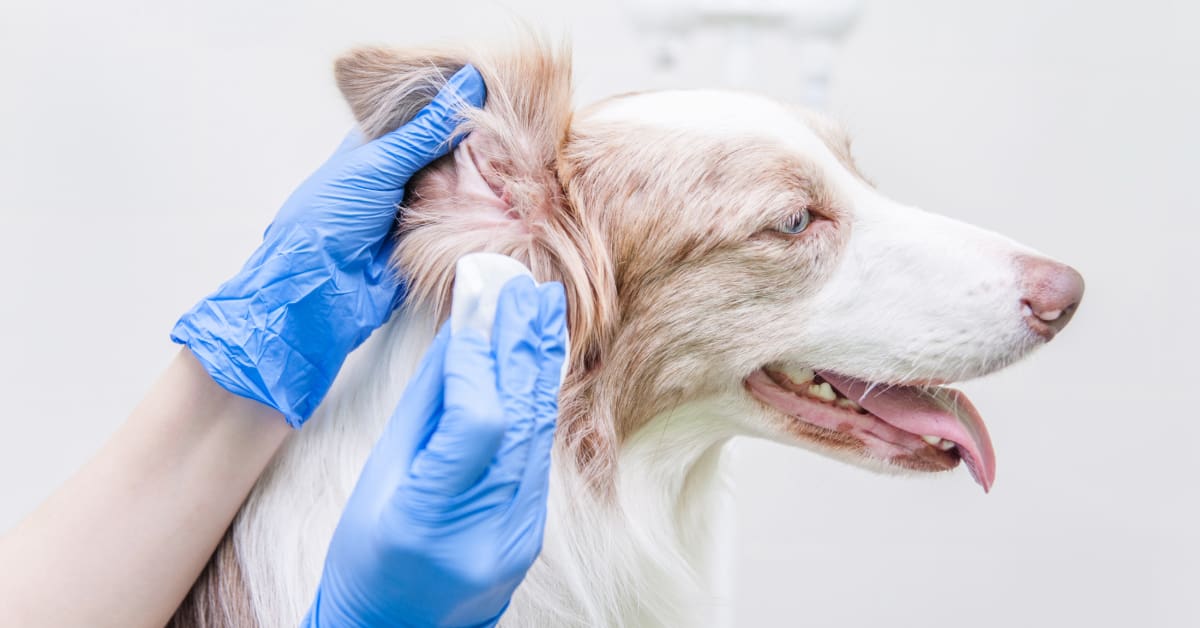
Dog ear yeast infections occur when yeast organisms multiply beyond normal levels inside the ear canal. Yeast thrives in dark, warm, and humid environments, which makes a dog’s ear an ideal setting when moisture or inflammation is present. While a small amount of yeast is normal, overgrowth can trigger irritation, swelling, odor, and discharge.
These infections often affect the outer ear canal, though deeper structures can become involved if the problem continues without care. Many dogs experience recurring episodes, especially those with allergies, floppy ears, or frequent exposure to water. Because symptoms may begin mildly, pet owners sometimes mistake early signs for simple dirt or wax buildup. Over time, discomfort usually becomes more noticeable, and dogs may show clear signs that something is wrong.
Common signs associated with dog ear yeast infections include:
- Head shaking or persistent scratching
- Redness or swelling inside the ear
- A musty or sour odor
- Thick, dark discharge
- Sensitivity when the ear is touched
Early recognition helps limit discomfort and prevents more serious complications.
Can Dog Food Cause Ear Yeast Infections?
Diet plays a meaningful role in skin and ear health, and many pet owners wonder whether dog food contributes to yeast problems. While food does not directly “cause” yeast, certain ingredients may increase inflammation or trigger allergic responses that create a favorable environment for yeast to grow.
How Diet Influences Ear Health
Some dogs develop sensitivities to proteins or additives found in commercial diets. When the immune system reacts, inflammation may affect the skin, paws, and ears. Inflamed ear tissue produces more moisture and debris, which encourages yeast growth. Over time, this cycle can repeat, leading to frequent dog ear yeast infections.
Food-related concerns may also affect the gut microbiome. An imbalanced digestive system can influence the skin’s natural defenses, making it harder for the body to regulate yeast populations. While diet alone rarely explains every case, it often plays a supporting role.
Signs that food may be contributing include:
- Chronic ear issues alongside itchy skin
- Paw licking or face rubbing
- Recurrent digestive upset
- Seasonal or year-round flare-ups
If you suspect diet plays a part in your dog’s ear health, your veterinary team can guide you through appropriate nutritional strategies.
Why Does My Dog Keep Getting Yeast Ear Infections?
Recurring dog ear yeast infections usually indicate an underlying factor that has not yet been fully addressed. Yeast overgrowth often reflects a deeper imbalance rather than a single isolated issue.
Common Contributors to Recurring Infections
Allergies remain one of the most frequent triggers. Environmental allergens such as pollen, dust mites, and mold can inflame the ear canal and create repeated opportunities for yeast to thrive. Dogs with floppy ears may also experience reduced airflow, trapping moisture inside the ear.
Frequent swimming or bathing can worsen the problem when water remains inside the ear canal. Even gentle moisture creates an ideal environment for yeast. Hormonal changes, immune system variations, and certain medications may also influence recurrence.
Dogs prone to repeated infections often show a pattern:
- Infections return shortly after improvement
- Both ears become affected over time
- Symptoms worsen during allergy seasons
- Ear discomfort appears alongside skin irritation
Understanding these patterns allows veterinarians to focus on long-term solutions rather than short-term relief alone.
Recognizing the Early Warning Signs
Spotting early changes can make a significant difference in comfort and recovery. Dog ear yeast infections rarely appear overnight. They build gradually, giving observant pet owners an opportunity to act before symptoms escalate.
Early indicators often include subtle head tilting, increased ear scratching, or a change in ear odor. The ear may appear slightly red or feel warmer than usual. Some dogs become quieter or less playful because of persistent irritation.
Over time, untreated infections can cause thickened skin inside the ear, narrowing the canal and making future infections harder to resolve. That is why early veterinary involvement remains important whenever changes persist.
Gentle At-Home Support for Ear Comfort
While professional evaluation remains essential, there are safe, general ways to support ear health at home. These steps focus on cleanliness and comfort without replacing veterinary care.
Helpful habits include:
- Keeping ears dry after bathing or swimming
- Gently wiping only the visible outer ear with a soft cloth
- Avoiding cotton swabs deep inside the canal
- Watching for changes in odor, color, or sensitivity
These practices support natural balance and may reduce the risk of future dog ear yeast infections. Any product used in or near the ear should be discussed with your veterinarian to ensure it matches your dog’s individual needs.
When to Contact Your Veterinarian
Some dogs try to tolerate discomfort quietly. Others show clear distress. In either case, ongoing ear changes deserve attention. Yeast infections rarely resolve on their own and can become more uncomfortable over time.
Contact your veterinarian if you notice:
- Persistent head shaking or scratching
- Thick or foul-smelling discharge
- Swelling or pain around the ear
- Behavioral changes related to discomfort
The team at Lane Veterinary works closely with pet owners to identify causes, manage symptoms, and create care plans tailored to each dog. If you see early signs of dog ear yeast infections, calling (630) 320-6644 or booking an appointment online can help protect your dog’s comfort.
How Lane Veterinary Supports Dogs With Ear Concerns
Lane Veterinary understands how frustrating recurring ear problems can feel for both pets and their families. Our approach focuses on careful evaluation, clear communication, and long-term ear health strategies. By addressing underlying contributors, we help reduce repeated flare-ups and support lasting comfort.
Each dog receives individual attention, which allows subtle patterns to be identified and addressed over time. This personalized approach often makes a meaningful difference in managing dog ear yeast infections and preventing future discomfort.
Long-Term Prevention Strategies
Preventing ear yeast problems involves consistency and awareness. While no method guarantees complete prevention, daily habits make a strong impact.
Helpful strategies include:
- Routine ear checks during grooming sessions
- Keeping ears clean and dry
- Managing allergies with veterinary guidance
- Monitoring diet and skin health
- Scheduling regular wellness visits
Over time, these habits reduce moisture, inflammation, and debris that contribute to yeast growth.
Supporting Dogs With Yeast Ear Concerns
Dog ear yeast infections can feel overwhelming at first, but they do not have to define your dog’s quality of life. With early recognition, thoughtful prevention, and professional guidance, many dogs enjoy long stretches of comfort and healthy ears.
If your dog shows signs of ear discomfort or struggles with recurring issues, the team at Lane Veterinary is ready to help. Call (630) 320-6644 or book an appointment online to give your dog the care and attention they deserve. Healthy ears support happier days, and your dog deserves both.
Recent Posts
About Us
Choosing a vet means entrusting your pet’s care and well-being to capable hands. Lane Veterinary strives to be a lifetime vet for you and your family, being the people you can always lean on for support and guidance. As a privately owned practice, we stand to give people and their pets the one-on-one care and attention they deserve in a calm and comfortable setting.