
How to Help a Teething Kitten
How to help a teething kitten often starts with recognizing that this short stage can feel confusing for both kittens and their families. Tiny teeth push through sensitive gums, curiosity ramps up, and chewing suddenly becomes a daily habit. We often hear from new kitten owners who wonder why their kitten seems restless, nippy, or suddenly interested in cords, fingers, and furniture. Teething explains much of that behavior, and with the right support, this phase can pass smoothly and safely.
At Lane Veterinary, we guide families through each growth stage with clear, calm education. In this article, we share what teething looks like, what helps at home, and when a quick check-in with a veterinarian makes sense.
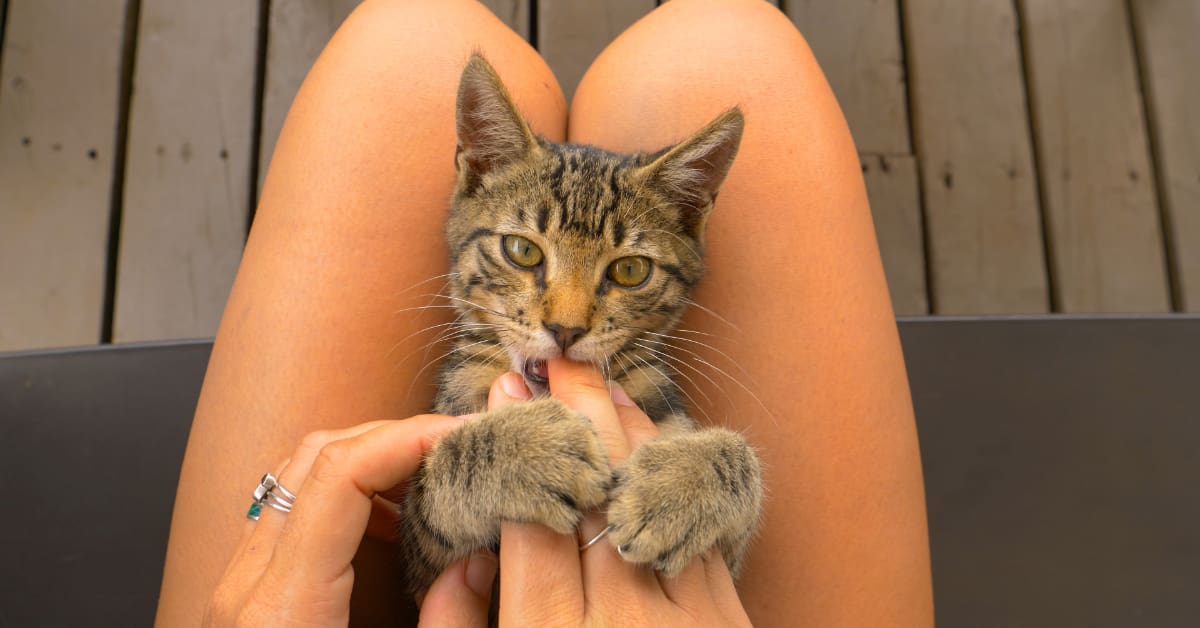
What Happens When Kittens Start Teething
Kittens begin teething around three to four weeks of age, when baby teeth start to appear. By about six months, most kittens have a full set of adult teeth. During this window, the gums stay sensitive, and the mouth feels unfamiliar. That discomfort drives many of the behaviors owners notice, from chewing to mild irritability.
Teething also plays a role in how kittens explore their environment. They use their mouths to test textures, temperatures, and shapes. This instinct helps them learn, but it can lead to frustration when their gums ache. Knowing what is normal helps us respond with patience instead of concern.
Common signs include:
- Increased chewing on objects
- Mild drooling or pawing at the mouth
- Temporary changes in appetite
- Gentle nipping during play
These behaviors usually come and go as teeth shift and settle.
How to Help a Teething Kitten Feel More Comfortable
When families ask how to help a teething kitten, we focus on comfort, safety, and redirection. Small adjustments at home can make a noticeable difference.
We recommend:
- Offering kitten-safe chew toys with soft or textured surfaces
- Rotating toys to keep interest high
- Providing cool, clean toys to soothe tender gums
- Redirecting chewing away from hands, cords, and furniture
Kittens respond well to consistency. When we guide them toward appropriate outlets, they learn quickly without feeling discouraged.
Teething also gives us a chance to introduce positive oral habits. Gentle handling around the mouth, paired with praise, builds comfort for future dental care.
Choosing the Right Toys for Teething Kittens
Not all toys support healthy teething behavior. Soft rubber, fabric, or silicone textures usually work best. Hard plastic toys may feel uncomfortable on tender gums, while very small toys can create safety risks.
We suggest keeping a mix of:
- Soft chew toys designed for kittens
- Plush toys without loose parts
- Textured rings or ridges for gum stimulation
What to Avoid
Avoid toys that splinter, tear easily, or include strings, beads, or bells that could detach. Kittens chew with enthusiasm, and durability matters. Safe toys allow exploration without creating new concerns.
Managing Biting and Chewing Behavior
Teething often leads to playful biting. While it rarely comes from aggression, it can surprise families. When this happens, we shift attention rather than scold. Calm redirection teaches boundaries without adding stress.
Helpful strategies include:
- Replacing hands with toys during play
- Ending play briefly if biting continues
- Rewarding gentle interaction with praise
This approach helps kittens learn appropriate play while still feeling secure. Understanding how to help a teething kitten also means recognizing when behavior reflects discomfort rather than attitude. Patience shapes long-term trust.
Feeding During the Teething Stage
Some kittens eat more slowly while teething. Others show brief interest in softer textures. Both reactions can fall within normal ranges. Offering variety can support comfort while maintaining nutrition.
We often see success with:
- Moist food options for easier chewing
- Slightly warmed meals to enhance aroma
- Clean bowls placed in calm areas
Always keep fresh water available, and observe patterns rather than focusing on a single meal.
Appetite Changes to Monitor
Temporary decreases in appetite can occur, but prolonged refusal to eat deserves attention. If eating challenges continue for more than a day, a veterinarian can help rule out irritation or infection.
Keeping Your Home Safe for Your Teething Kitten
Kittens explore quickly, especially when their gums ache. Creating a teething-safe space reduces risk and supports positive habits.
We recommend:
- Covering or storing electrical cords
- Removing small chewable objects
- Using kitten-proof storage bins
- Offering approved chew toys in multiple areas
This setup helps kittens stay curious without getting into trouble.
When Teething Might Not Be the Only Issue
Most teething symptoms stay mild. However, certain signs deserve closer attention. Persistent swelling, strong odor, heavy drooling, or visible sores may point to concerns beyond normal teething.
Signs Worth Discussing With a Veterinarian
Contact a veterinary team if you notice:
- Bleeding that does not stop
- Refusal to eat or drink
- Lethargy with mouth discomfort
- Sudden behavior changes
These signs do not always signal serious problems, but early guidance brings peace of mind.
Building Positive Dental Habits Early
Teething offers a perfect opportunity to build lifelong routines. Gentle exposure to mouth handling helps kittens stay relaxed during future exams. Even short, calm moments make a difference.
We encourage:
- Brief lip lifts with praise
- Soft finger contact along the gums
- Calm verbal reassurance
These early steps support confidence and trust over time. Understanding how to help a teething kitten includes thinking beyond this stage and preparing for long-term oral wellness.
Supporting Emotional Comfort During Teething
Teething can affect mood. Kittens may seem clingier one day and independent the next. Both responses feel normal. Consistent routines, gentle play, and quiet rest areas help balance their energy.
We often see kittens respond well to:
- Predictable feeding times
- Calm play sessions
- Safe resting spaces away from noise
These simple patterns reduce stress while their bodies adjust.
How Lane Veterinary Supports Growing Kittens
At Lane Veterinary, we partner with families from the very first kitten visits. Our team helps guide nutrition, growth milestones, and dental development with clarity and care. Every kitten grows differently, and we believe education builds confidence.
If you ever wonder how to help a teething kitten or notice changes that raise questions, our team welcomes the conversation.
Helping Your Teething Kitten Grow With Confidence
Teething passes quickly, but the habits we build during this stage last a lifetime. With gentle guidance, safe toys, and steady routines, kittens move through this phase with less frustration and more trust.
If you would like personalized guidance for your kitten, call Lane Veterinary at (630) 320-6644 or book an appointment online. Our team is here to support every stage of your kitten’s journey.
Recent Posts
About Us
Choosing a vet means entrusting your pet’s care and well-being to capable hands. Lane Veterinary strives to be a lifetime vet for you and your family, being the people you can always lean on for support and guidance. As a privately owned practice, we stand to give people and their pets the one-on-one care and attention they deserve in a calm and comfortable setting.