
Cat Sneezing: Causes & Treatments
Cat sneezing is exactly what it sounds like, which is a reflexive expulsion of air through the nose and mouth triggered by irritation in the upper respiratory tract, but the reasons behind it vary more than most pet owners realize. A single sneeze means very little, but frequent, persistent, or symptomatic sneezing in cats can signal anything from a common viral infection to dental disease to something that needs urgent attention. Whether your cat has been sneezing for a day or a few weeks, understanding the full picture helps you make the right call. This guide covers the most common causes of cat sneezing, the treatment options available, and the specific signs that tell you it’s time to stop waiting and schedule a vet visit.
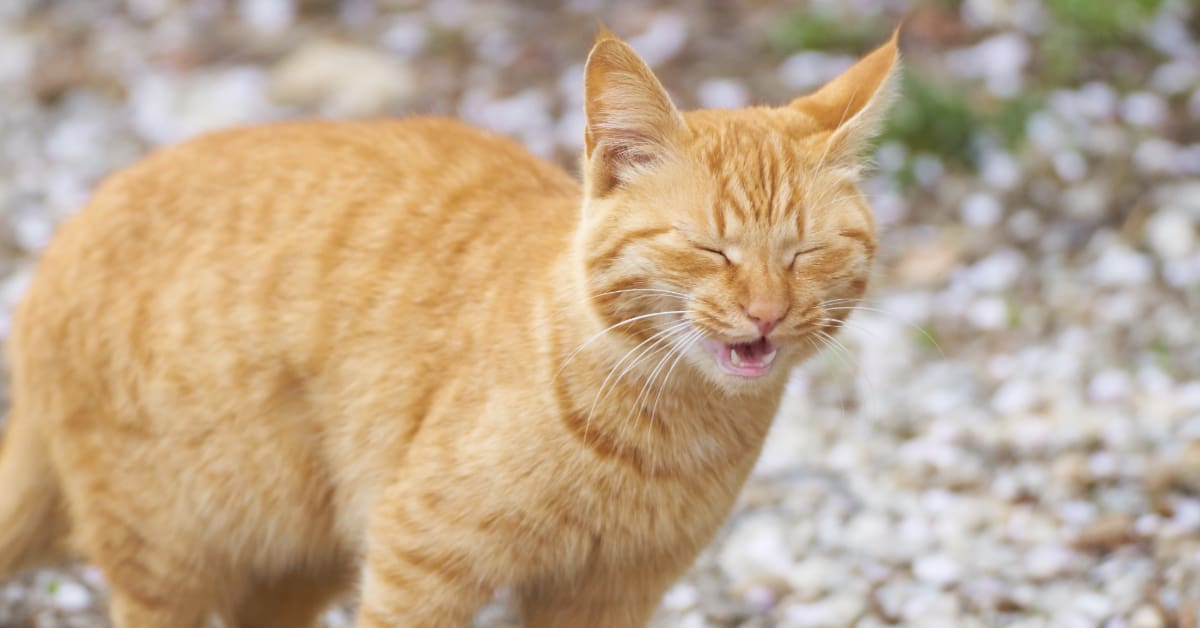
Why Is My Cat Sneezing?
Cats sneeze for a wide variety of reasons. Some are completely harmless; others indicate an underlying health issue. Cat sneezing is a reflexive response to irritation or inflammation in the nasal passages, throat, or upper respiratory tract. Before assuming the worst, consider the context: is your cat sneezing occasionally or persistently? Is the sneezing accompanied by discharge, lethargy, or changes in appetite?
Environmental Irritants
One of the most common and benign causes of cat sneezing is environmental irritants. Dust, perfume, cigarette smoke, cleaning products, air fresheners, and even certain types of cat litter can trigger sneezing in sensitive cats. If your cat sneezes after you clean the house, light a candle, or change their litter, an irritant may be the culprit.
Upper Respiratory Infections
Upper respiratory infections (URIs) are among the most common reasons cats sneeze repeatedly. Often called “cat colds,” URIs in cats are typically caused by feline herpesvirus (FHV-1) or feline calicivirus (FCV). Both are highly contagious among cats and spread through direct contact, shared food bowls, and grooming. Signs of a URI beyond sneezing include nasal and ocular discharge, congestion, loss of appetite, and lethargy.
It’s worth noting that feline herpesvirus is a lifelong infection. Once a cat is infected, the virus remains dormant and can reactivate during times of stress or illness. Our veterinary team at Lane Veterinary can help manage URI flare-ups and reduce their frequency in cats with FHV-1.
Nasal Foreign Bodies
Cats are curious, and sometimes they inhale small particles such as a blade of grass, a piece of litter, a dust bunny that become lodged in the nasal passages. A foreign body in the nose typically causes sudden, intense, one-sided sneezing. If your cat is sneezing violently and pawing at their face, a nasal foreign body should be evaluated by your veterinarian promptly.
Dental Disease
This surprises many cat owners, but dental disease, particularly tooth root abscesses, can cause sneezing in cats. The roots of the upper teeth sit very close to the nasal passages, and an infected tooth can lead to inflammation or infection that affects the sinuses and triggers sneezing. If your cat is sneezing and also showing signs of mouth pain or reduced appetite, dental disease deserves consideration.
Common Causes of Cat Sneezing: A Summary
Cat sneezing can stem from a variety of causes. The following are some of the most frequently seen triggers at Lane Veterinary:
- Upper respiratory infections (feline herpesvirus, calicivirus)
- Environmental irritants (dust, smoke, cleaning products, certain litters)
- Allergies and chronic rhinitis
- Nasal foreign bodies or polyps
- Dental disease or tooth root abscesses
- Fungal infections (less common)
- Nasal tumors (primarily in older cats)
When Should I Be Concerned About My Cat Sneezing?
Occasional sneezing is normal. But there are specific signs that indicate your cat’s sneezing needs veterinary evaluation. Contact Lane Veterinary if your cat’s sneezing is accompanied by any of the following:
- Nasal discharge that is yellow, green, or bloody
- Discharge from the eyes or crusting around the eyes
- Reduced appetite or weight loss
- Lethargy or decreased activity
- Sneezing that has persisted for more than a few days
- Open-mouth breathing or labored breathing
- Pawing at the face or nose
Cat Sneezing Treatment: What Are the Options?
Treatment for cat sneezing depends entirely on the underlying cause. This is why a veterinary exam is so important. There is no single treatment that addresses all causes of sneezing in cats. At Lane Veterinary, diagnosing the cause of your cat’s sneezing may involve a physical exam, bloodwork, nasal swabs, dental X-rays, or more advanced diagnostics.
Treating Upper Respiratory Infections in Cats
For bacterial components of a URI, veterinarians may prescribe antibiotics. Antiviral medications like famciclovir are sometimes used for cats with feline herpesvirus flare-ups. Supportive care including hydration, appetite stimulation, and sometimes nebulization helps cats recover more comfortably. Vaccination against FHV-1 and FCV is a cornerstone of preventive care and is included in Lane Veterinary’s core feline vaccination protocol.
Treating Environmental Allergies and Chronic Rhinitis in Cats
For cats with chronic rhinitis or allergic sneezing, management focuses on reducing triggers and, in some cases, medical management. Identifying and eliminating irritants in the home environment can significantly reduce the frequency of sneezing episodes. Your veterinarian at Lane Veterinary can help identify potential triggers and discuss appropriate long-term management strategies.
Treating Dental Disease That Causes Sneezing
When sneezing is linked to dental disease, treating the dental problem, often through professional dental cleaning and tooth extraction under anesthesia can resolve the sneezing. Lane Veterinary provides comprehensive feline dental care and can perform a thorough oral health assessment to determine whether dental disease is contributing to your cat’s symptoms.
Can Cats Sneeze From Allergies?
Yes, cats can sneeze from allergies. While allergic rhinitis is less commonly diagnosed in cats than in dogs, cats can develop sensitivities to airborne allergens like pollen, mold, dust mites, and household chemicals. Unlike dogs, who tend to show allergies through skin symptoms, some cats primarily present with respiratory signs, including sneezing and nasal discharge. If your cat sneezes seasonally or in response to specific environments, allergies may be involved.
Is Cat Sneezing Contagious to Other Cats or People?
Upper respiratory infections in cats are contagious to other cats, not to people. Feline herpesvirus and calicivirus spread between cats through direct contact, shared items, and even airborne droplets from sneezing. If you have a multi-cat household and one cat develops URI symptoms, isolating them from other cats while they recover is advisable. Contact Lane Veterinary for guidance on managing a URI in a household with multiple cats.
Feline Respiratory Care at Lane Veterinary
At Lane Veterinary in Hinsdale and Elmhurst, IL, our veterinary team has extensive experience diagnosing and treating respiratory conditions in cats, from routine upper respiratory infections to more complex chronic rhinitis and dental-related sneezing. We provide compassionate, individualized care for every cat we see.
If your cat has been sneezing more than usual or is showing other signs of illness, we encourage you to schedule an appointment. Prompt evaluation leads to faster answers and more effective treatment.
From a Single Sneeze to Something More: Knowing When to Act
Cat sneezing is one of those symptoms that’s easy to dismiss until it isn’t. Whether your cat’s sneezing is triggered by a dusty environment, a viral infection, or something that needs more investigation, our veterinarians at Lane Veterinary are equipped to find answers and provide the right treatment. Don’t let a persistent sneeze go unaddressed. Call Lane Veterinary in Hinsdale or Elmhurst at (630) 320-6644 or book an appointment online today. Your cat will thank you.
Recent Posts
About Us
Choosing a vet means entrusting your pet’s care and well-being to capable hands. Lane Veterinary strives to be a lifetime vet for you and your family, being the people you can always lean on for support and guidance. As a privately owned practice, we stand to give people and their pets the one-on-one care and attention they deserve in a calm and comfortable setting.