
Why Does My Cat Stare At Me?
In most cases, a cat’s steady gaze is their quiet way of communicating. Cats rely on eye contact to observe, bond, request attention, and assess their surroundings. When we notice a direct gaze, it can feel intense or even a little unsettling, but that look often carries simple messages like curiosity, trust, or anticipation.
Still, not every stare means the same thing. The meaning changes based on body posture, ear position, tail movement, and what happens next. By learning to interpret these small details, we can better understand our cats and strengthen the bond we share with them.
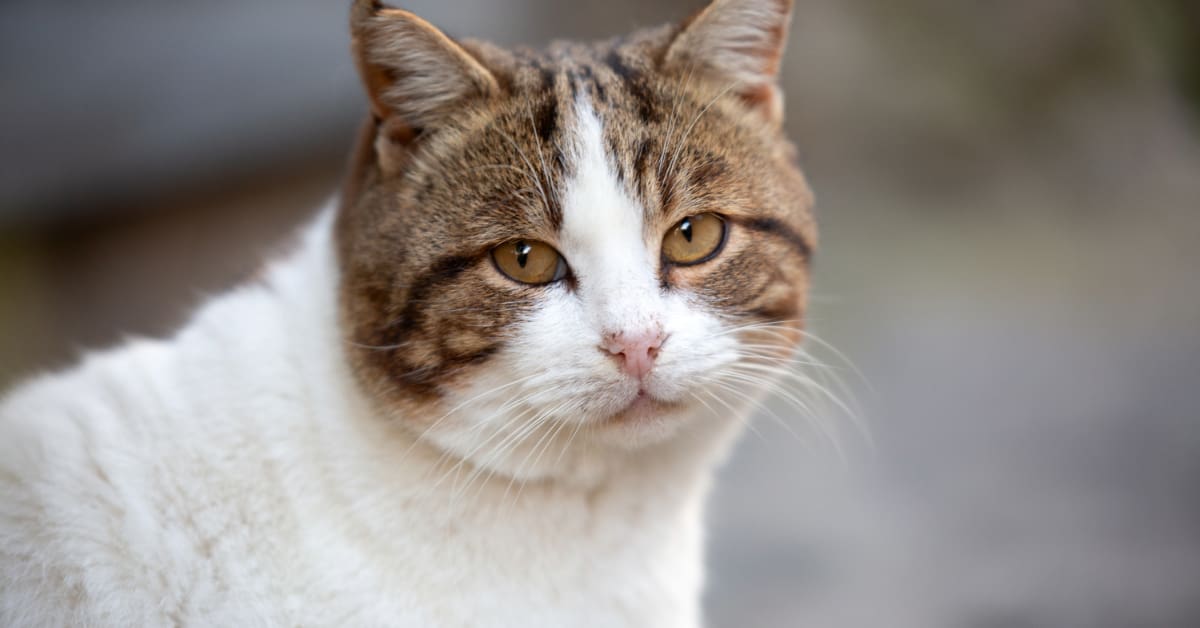
Why Cats Use Eye Contact to Communicate
Cats evolved as observant hunters and cautious survivors. Their eyes help them track motion, judge distance, and evaluate safety. When a cat stares at a person, they often use that same instinctive focus to gather information. We may think they are simply watching us, but they are reading our movements, tone, and behavior.
Eye contact also plays a role in feline social structure. In the wild, a prolonged stare can signal dominance or caution. In the home, however, cats often soften that instinct with trust and familiarity. A relaxed stare from a household cat usually reflects comfort rather than challenge.
We often notice these expressions alongside other subtle signals, such as slow blinking, head tilts, or gentle tail flicks. Each of these adds context to the question, “why does my cat stare at me,” and helps explain what your cat may be trying to express.
Why Does My Cat Stare At Me While I Sleep
When owners ask us, “why does my cat stare at me while I sleep,” we often explain that sleeping humans present a mix of curiosity, affection, and opportunity. Cats stay alert even when their people are resting, and they tend to monitor the environment quietly. Your cat may be checking that you are still there, observing your breathing, or waiting for movement that signals breakfast time.
Some cats associate waking moments with food, play, or attention. If your cat stares at you each morning, they may simply be timing their request. Others remain close during sleep because they feel safe nearby. Cats that choose to stay near us often view us as part of their secure territory.
A few common reasons for nighttime or early-morning staring include:
- Anticipation of feeding or routine
- Seeking comfort or companionship
- Curiosity about movement or sounds
- Habit formed from previous attention
This behavior usually reflects trust and familiarity. If your cat remains calm, relaxed, and quiet, the stare itself rarely signals concern.
Emotional Reasons Your Cat May Be Watching You
Cats experience a wide range of emotions, even if they express them differently than dogs or people. A stare can reflect affection, interest, or reassurance. Many cats look at their owners the same way they would observe another trusted companion.
Some cats use eye contact as a form of bonding. Slow blinks often accompany these moments. When we return a slow blink, we participate in a gentle social exchange that reinforces comfort. This is one of the simplest ways we can respond when we wonder why does my cat stare at me with such steady focus.
In other situations, a cat may watch closely when they sense changes in mood or routine. Cats often notice subtle differences in tone, posture, and movement. That awareness explains why they sometimes seem to know when something feels different in the household.
Practical Reasons Behind the Stare
Not every stare is emotional. Sometimes, cats watch us because they associate our actions with predictable outcomes. If standing up usually leads to a meal, opening a door, or tossing a toy, your cat learns to pay attention. Over time, that observation becomes a habit.
Cats also stare when they are bored or seeking interaction. A quiet gaze can be a polite request for engagement. Unlike dogs, cats often avoid vocal demands unless they feel confident the message will work. Watching first allows them to assess the moment.
We often explain this to clients who ask why does my cat stare at me while I work, cook, or relax. The answer is often simple. Your cat hopes the activity might involve them.
When Staring May Suggest Stress or Discomfort
Although most staring behavior is harmless, context matters. If your cat pairs staring with tense posture, flattened ears, or hiding, the behavior may reflect unease. Cats sometimes observe closely when they feel unsure about a situation or a change in their environment.
In these cases, the stare is not meant to communicate affection. Instead, it allows the cat to evaluate potential threats or unfamiliar routines. Moving slowly, speaking calmly, and giving your cat space often helps reduce this tension.
Signs That Suggest Your Cat May Feel Uneasy
We may look more closely if the stare appears with:
- Dilated pupils that remain wide in bright light
- Rigid body posture or crouching
- Growling, hissing, or swatting
- Avoidance after prolonged watching
These signals do not mean something is wrong every time, but they help us decide when to observe behavior more closely.
How Environment Influences Feline Staring
Cats rely heavily on their environment for stimulation. Windows, screens, mirrors, and shadows all attract attention. If your cat stares at you while you sit still, they may simply be comparing you to other moving objects in the room.
Changes in lighting, noise, or routine can also increase watchful behavior. When the environment feels predictable, cats relax. When it feels different, they observe more closely.
Providing enrichment can reduce excessive watching. Window perches, toys, climbing areas, and interactive play often redirect attention in positive ways.
How to Respond When Your Cat Stares
We often suggest gentle responses that respect your cat’s communication style. You can return a slow blink, speak softly, or offer brief interaction if your cat seems interested. These responses support bonding without overstimulation.
Avoid forcing contact if your cat remains still and observant. Cats prefer to choose their level of engagement. Letting them approach on their terms builds trust and confidence.
When to Observe More Closely
If staring behavior suddenly increases or changes, it helps to notice what else has shifted. New pets, schedule changes, household noise, or different feeding times can all influence feline behavior. Most adjustments resolve naturally once the cat adapts.
However, if your cat also shows withdrawal, reduced appetite, or changes in litter box habits, we encourage you to monitor the situation carefully. While we cannot diagnose based on behavior alone, patterns can help guide thoughtful decisions about care.
At Lane Veterinary, we often remind families that behavior offers valuable insight. Understanding why does my cat stare at me often starts with noticing what else is happening around that moment.
A Quiet Conversation Worth Noticing
Understanding why does my cat stare at me helps transform a simple moment into meaningful communication. That steady gaze often reflects trust, curiosity, or a desire to stay connected. While every cat expresses this behavior differently, the message usually comes from familiarity rather than concern.
If you ever notice changes in your cat’s behavior or want help interpreting what you see, our team at Lane Veterinary is happy to support you. Call (630) 320-6644 or book an appointment online to connect with a team that values both medical care and the everyday behaviors that shape your cat’s well-being.
Recent Posts
About Us
Choosing a vet means entrusting your pet’s care and well-being to capable hands. Lane Veterinary strives to be a lifetime vet for you and your family, being the people you can always lean on for support and guidance. As a privately owned practice, we stand to give people and their pets the one-on-one care and attention they deserve in a calm and comfortable setting.